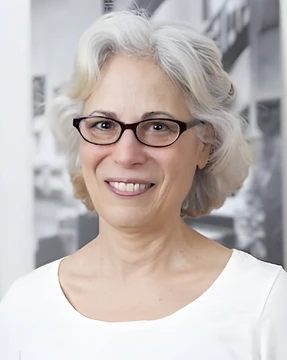
Bruno Latour
French philosopher who reshaped science and technology studies.

Bruno Latour (22 June 1947 – 9 October 2022) was a French philosopher, anthropologist and sociologist, especially known for his work in science and technology studies (STS). He was a primary developer of actor–network theory (ANT) and is best known for his books *We Have Never Been Modern* (1991; English translation 1993), *Laboratory Life* (with Steve Woolgar, 1979), and *Science in Action* (1987). Latour challenged fundamental distinctions such as modern versus pre-modern and nature versus society, and his work has had international impact across multiple disciplines including history of science, art history, history, philosophy, anthropology, geography, theology, literature and law.
- born
- 22 June 1947
- died
- 9 October 2022
- field
- Philosophy, anthropology, sociology
- nationality
- French
- known_for
- Science and technology studies (STS), actor–network theory (ANT), books *We Have
Verified Timeline
Lore & Background
Latour was related to the winemaking family Maison Louis Latour of Burgundy, but was not associated with the similarly named Château Latour estate in Bordeaux. He originally focused on philosophy, ranking second and then first in the French national competitive exam agrégation/CAPES de philosophie in 1971–1972, and earned a PhD in philosophical theology from the University of Tours in 1975 with a thesis titled 'Exégèse et ontologie: une analyse des textes de resurrection' (Exegesis and Ontology: An Analysis of the Texts of Resurrection). He developed an interest in anthropology and undertook fieldwork in Ivory Coast on behalf of ORSTOM, producing a brief monograph on decolonisation, race, and industrial relations. In the 1990s, he engaged in a series of dialogues with Michel Serres published as *Eclaircissements* (Conversations on Science, Culture and Time). After teaching at the Centre de Sociologie de l'Innovation of the École des Mines de Paris from 1982 to 2006, he became a professor at Sciences Po Paris (2006–2017), where he was the scientific director of the Sciences Po Medialab. He also held the Spinoza Chair of Philosophy at the University of Amsterdam in 2005 and was a Centennial Professor at the London School of Economics. Latour remained religious until the end of his life, reading the Bible 'devotedly,' and died from pancreatic cancer on 9 October 2022 at the age of 75. His papers were contributed to the French National Archives and the Municipal Archives of Beaune.
Reader's Guide
Bruno Latour's significance lies in his foundational role in science and technology studies and actor–network theory. His early work *Laboratory Life* (with Steve Woolgar) used ethnographic methods to argue that scientific facts are socially constructed within laboratory cultures, challenging naive views of the scientific method. This provoked vehement rebuttals from critics such as Gross and Leavitt and philosopher John Searle, who argued that Latour's extreme social constructivism leads to absurd or comical results. In *The Pasteurization of France* (1988), Latour examined social forces in the acceptance of Louis Pasteur's work, undermining the notion that scientific theories are accepted primarily on evidence. His book *Aramis, or The Love of Technology* focused on the history of an unsuccessful mass-transit project, the Aramis PRT system developed in France during the 70s and 80s, which died in 1987. Latour's work has been influential far beyond STS, affecting art history, history, philosophy, anthropology, geography, theology, literature, and law. He received the Holberg Prize in 2013, though philosopher Jon Elster publicly questioned whether Latour deserved it, stating that if the prize's statutes had used new knowledge as the main criterion, Latour would be 'completely unqualified.' Latour also received the Spinozalens 2020 on 24 November 2020 and the Kyoto Prize in 2021 in the category 'Thought and Ethics.'
Did You Know?
- Latour ranked second and then first in the French national competitive exam agrégation/CAPES de philosophie in 1971–1972.
- He earned his PhD in philosophical theology from the University of Tours in 1975 with a thesis on exegesis and ontology analyzing resurrection texts.
- Latour was related to the winemaking family Maison Louis Latour of Burgundy, but not to the Château Latour estate in Bordeaux.
- He remained religious until the end of his life, reading the Bible 'devotedly.'
- His papers were contributed to the French National Archives and the Municipal Archives of Beaune.
Academic Odyssey: From Philosophy to Science Studies
Bruno Latour's intellectual path began in the world of philosophy, where he distinguished himself early. During 1971–1972, he placed second and then first in France's grueling national competitive examinations for philosophy teaching. He completed a doctorate in philosophical theology at the University of Tours in 1975, with a thesis examining resurrection texts through the lenses of exegesis and ontology. Yet his trajectory shifted decisively when he turned toward anthropology, conducting fieldwork in Ivory Coast under the auspices of ORSTOM, producing a short monograph touching on decolonisation, race, and industrial relations. His most formative institutional home was the Centre de Sociologie de l'Innovation at the École des Mines de Paris, where he spent over two decades from 1982 to 2006. In 2006 he relocated to Sciences Po, becoming the inaugural holder of a chair named after Gabriel Tarde and serving as scientific director of the institution's Medialab until his 2017 retirement. He also held the Spinoza Chair of Philosophy at the University of Amsterdam in 2005 and served as a Centennial Professor at the London School of Economics, cementing his status as a truly transnational academic figure.
Rethinking Science: Key Works and Actor-Network Theory
Latour's most celebrated contributions reshaped how scholars understand the production of knowledge. His 1979 book Laboratory Life, co-authored with Steve Woolgar, offered an ethnographic portrait of a neuroendocrinology laboratory at the Salk Institute, revealing that experiments typically yield inconclusive data and that much of scientific training involves learning which results to retain and which to discard. Drawing on Gaston Bachelard, the authors argued that scientific objects are socially constructed within the laboratory and cannot be separated from the instruments and minds that produce them. His 1987 volume Science in Action became a cornerstone of the sociology of scientific knowledge, while We Have Never Been Modern (1991) challenged the very boundary between the subjective and the objective. Together with Michel Callon, Madeleine Akrich, and John Law, Latour co-developed actor-network theory, a constructionist framework drawing on the ethnomethodology of Harold Garfinkel, the generative semiotics of Algirdas Julien Greimas, and the sociology of Gabriel Tarde. In 2017, he expressed a personal commitment to helping restore public trust in scientific authority.
Recognition Across Disciplines
The breadth of Latour's influence was acknowledged through a remarkable sequence of international honours. In 2013, the Holberg Prize committee praised him for undertaking an ambitious analysis and reinterpretation of modernity and for challenging foundational distinctions between modern and pre-modern, nature and society, human and non-human. They noted his impact extended far beyond the history of science, reaching into art history, philosophy, anthropology, geography, theology, literature, and law. That same year, however, Norwegian philosopher Jon Elster publicly questioned whether Latour truly deserved the award, arguing his work did not meet the prize's criteria for new knowledge. Despite such dissent, Latour continued to receive major recognitions: France's Légion d'Honneur in 2012, an honorary doctorate from the Université de Montréal in 2008, the Dutch Spinozalens in 2020, and the Kyoto Prize in the category of Thought and Ethics in 2021. His influence also extended into the visual arts, where he curated exhibitions such as Iconoclash (2002) and Making Things Public (2005) at the Zentrum für Kunst und Medientechnologie in Karlsruhe.
Faith, Family, and Final Chapters
Beyond his academic output, Latour's personal life carried distinctive threads. He was connected to the well-known Burgundian winemaking family Maison Louis Latour, though he had no association with the similarly named Château Latour in Bordeaux. His early doctoral work on resurrection texts in philosophical theology reflected a faith that persisted throughout his life; he remained religious until his death, reading the Bible with what observers described as devotion. In the 1990s he engaged in a series of published dialogues with fellow thinker Michel Serres, collected under the title Eclaircissements, exploring themes of science, culture, and time. Latour's life ended on 9 October 2022, when he died of pancreatic cancer at the age of seventy-five. In a gesture befitting his scholarly legacy, his papers were deposited in both the French National Archives and the Municipal Archives of Beaune, ensuring that future researchers would have access to the working documents of one of the most provocative minds in contemporary social thought.
Frequently Asked Questions
Who is Bruno Latour?
Bruno Latour was a French philosopher, anthropologist, and sociologist born in 1947 who became one of the most influential figures in science and technology studies. He spent his career questioning how we separate 'nature' from 'society' and how scientific knowledge actually gets produced in laboratories and institutions.
What is actor-network theory and how did Latour contribute to it?
Actor-network theory is a framework that treats humans, objects, and institutions as equally active participants linked in networks rather than placing humans at the center. Latour was a primary developer of this approach, demonstrating in works like Science in Action that scientific facts emerge from webs of relationships among people, instruments, and texts.
What are Bruno Latour's most famous books?
His best-known works include We Have Never Been Modern, Laboratory Life (co-authored with Steve Woolgar), and Science in Action. These texts collectively argue that the neat boundary between the natural and social worlds we assume in everyday life is an artificial construction.
Why is Bruno Latour important to modern thought?
Latour challenged foundational distinctions—modern versus pre-modern, nature versus society—that most disciplines take for granted, forcing scholars across fields to rethink their core assumptions. His ideas have had international impact well beyond sociology, influencing anthropology, philosophy, and the study of technology.
When did Bruno Latour live?
He was born on 22 June 1947 in France and died on 9 October 2022. His career spanned several decades of reshaping how academics and the public understand the relationship between science, technology, and society.
More in Modern Political Theorists And Sociologists 1-18
Spotted an error? Know more?
This is a living reference — every entry is fact-audited, and reader corrections feed straight into our audit queue. Suggest an edit · See this site's audit record